Home Insurance Discounts Worth Asking About
Insurers offer more discounts than most homeowners know about, and they don't always apply them on their own. Here's what to ask for.
Most home insurers have a list of discounts. Some are applied automatically. Others only show up if you ask, or if you send proof, like an alarm certificate or a roofing invoice.
These are the common ones. Availability and amounts vary by company and by state.
Discounts for how you buy
- Bundling. Insuring your home and car with the same company is usually the largest discount available. Compare the bundled total against separate policies from different insurers, though. The bundle isn't always the cheapest combination.
- Paying in full. Paying the annual premium at once, or through your mortgage escrow account, can avoid installment fees.
- Autopay and paperless. Small discounts that take a minute to set up.
- Shopping early. Some insurers discount a new policy if you get the quote a week or more before your current one expires.
- Loyalty and claims-free. Staying with one insurer for several years, or going several years without a claim, can each lower your price.
Discounts for protecting the home
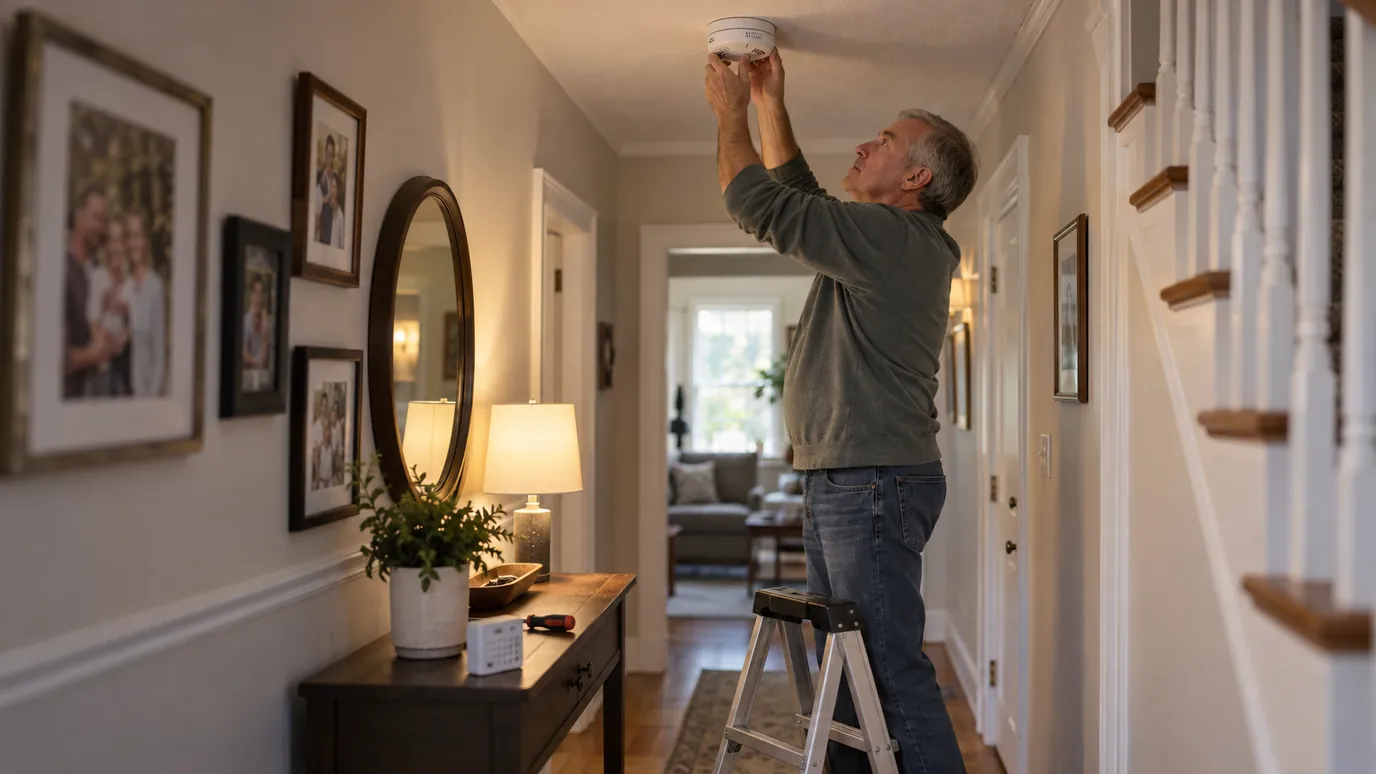
- Smoke detectors and fire alarms. Basic detectors earn a small discount. A system monitored by a central station usually earns more.
- Burglar alarms and security systems. Monitored systems tend to qualify. Ask what documentation the insurer needs.
- Deadbolts and fire extinguishers. Minor, but sometimes counted.
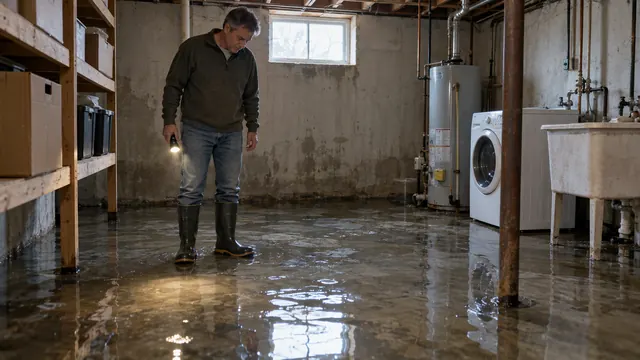
- Water leak detection. Sensors and automatic shut-off valves are increasingly rewarded, since water damage is one of the most common claims.
- Sprinkler systems. Indoor fire sprinklers can earn a meaningful discount.
Discounts for the house itself
- A new roof. Replacing an old roof often lowers your premium. Send your insurer the invoice with the installation date.
- Impact-resistant roofing. Shingles rated Class 4 for impact resistance qualify for discounts in many hail-prone states.
- Wind mitigation. In hurricane-prone areas, features like roof-to-wall straps, storm shutters and impact-rated windows can reduce the wind portion of your premium. Florida requires insurers to offer credits for verified wind-mitigation features, usually documented with an inspection.
- New or recently built homes. Newer homes often get a lower rate.
- Updated systems. Newer electrical, plumbing and heating systems can earn a discount on an older home.
Discounts for who you are
- Group and affinity discounts. Some insurers offer lower rates through employers, alumni associations, professional groups, or to military members and veterans.
- Retirees. A few insurers offer a discount for retired homeowners, on the idea that someone is home more often.
- Non-smokers. Some companies discount households where no one smokes.
The other way to lower the price
Raising your deductible isn't a discount, but it usually lowers your premium. Just make sure it's an amount you could pay after a loss. See how home insurance deductibles work.
How to make sure you're getting them
Call your insurer or agent once a year and ask them to review your discounts. Mention anything that's changed: a new roof, a security system, a paid-off mortgage, retirement, or a new car you could bundle.
Questions to ask your insurer
- Which discounts are on my policy right now?
- Which others could I qualify for?
- What would bundling my car insurance save, in total?
- Do you discount for a new roof, an alarm or leak sensors, and what proof do you need?
- How much would a higher deductible lower my premium?
The bottom line
Discounts only count once they're on your policy. Ask every year, send the paperwork, and when you compare quotes, check that each company applied the same ones.
Note: This article is general information, not insurance, legal or financial advice. Coverage, requirements and pricing vary by state and insurer; check your policy and your state's insurance department.