What Home Insurance Doesn't Cover: Floods, Earthquakes and Other Common Gaps
A standard policy leaves out some of the most expensive kinds of damage. Here are the gaps, and how homeowners usually fill them.
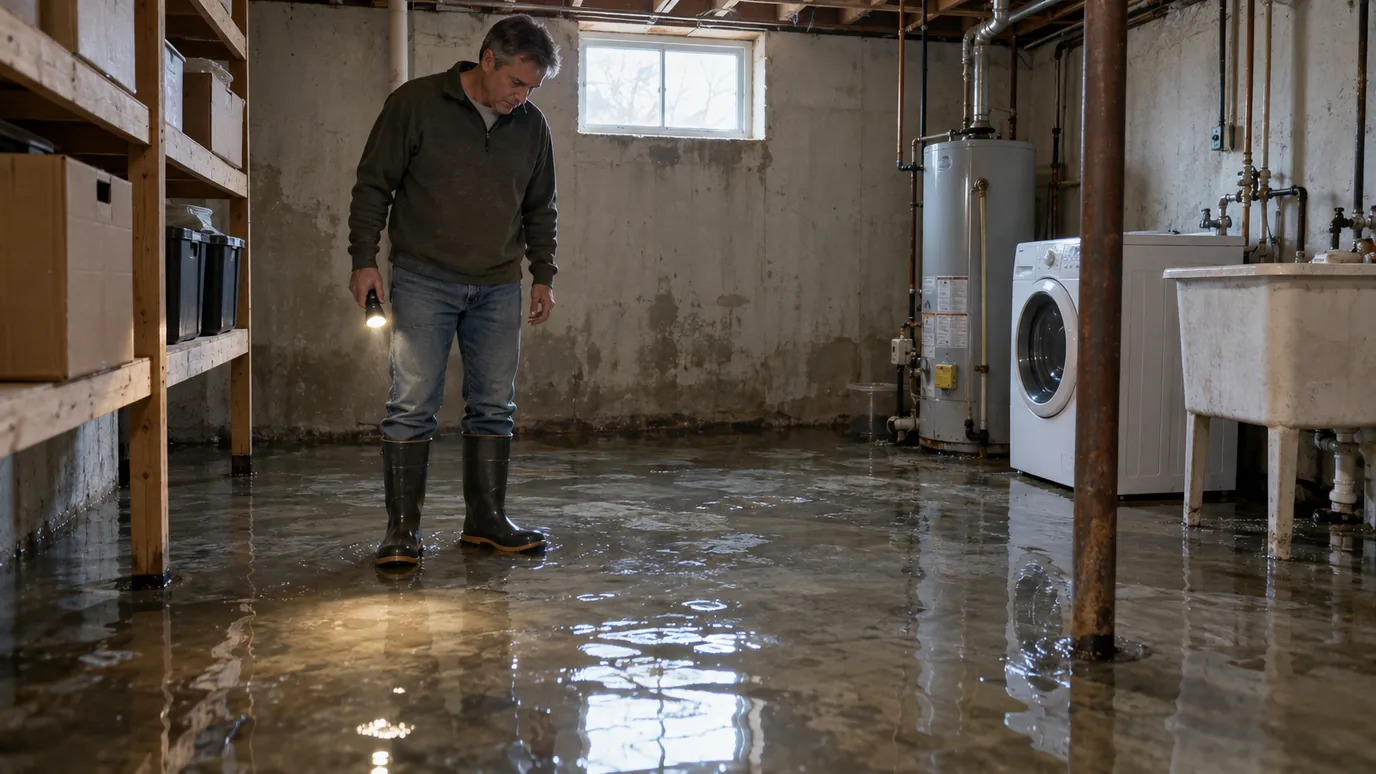
Most people find out what their home insurance doesn't cover at the worst possible time: when they file a claim. A standard policy covers a lot, but it has well-known exclusions, and a few of them involve the most expensive damage a home can suffer.
Here are the gaps worth knowing about before you need to.
Flood
Standard homeowners policies don't cover flooding. That means water that rises or flows in from outside: an overflowing river, storm surge, heavy rain that pools and enters the house.
Flood coverage is sold separately, through the federal National Flood Insurance Program (NFIP) or through private flood insurers. A few points:
- NFIP policies cover up to $250,000 for the building and up to $100,000 for contents on a residential property.
- New NFIP policies usually have a 30-day waiting period before they take effect, so you can't buy one as a storm approaches.
- If your home is in a high-risk flood zone and you have a federally backed mortgage, your lender will require flood insurance.
- Floods also happen outside high-risk zones. You can look up your address on FEMA's flood maps.
Earthquakes and earth movement
Earthquakes, landslides, sinkholes and settling are generally excluded. Earthquake coverage is available as an add-on or a separate policy, and it typically comes with a high deductible, often 10% to 20% of your dwelling coverage. In California, most residential earthquake coverage is sold through the California Earthquake Authority.
Water backup from sewers and drains
If a sewer line or drain backs up into your house, or a sump pump fails and the basement fills, a standard policy usually won't pay. Most insurers sell a water backup endorsement that covers it, often for a modest added premium. It's one of the most commonly recommended add-ons for homes with basements.
Wear, tear and maintenance
Insurance covers sudden, accidental damage. It doesn't cover things that wear out or problems that build up over time. That includes:
- An old roof that finally fails from age
- A slow leak that's been dripping for months
- Rot, rust, mold from ongoing moisture, and foundation settling
- Termites, rodents and other pest damage
The line between "sudden" and "gradual" matters. A pipe that bursts is usually covered. A pipe that seeps behind a wall for a year usually isn't.
The cost of bringing a home up to code
If your older home is damaged, the repair may have to meet current building codes, which can cost more than rebuilding it the way it was. Standard policies include only limited coverage for this. An ordinance or law endorsement raises the amount.
High-value belongings
Your personal property coverage has caps for certain items, such as jewelry, watches, furs, silverware, cash and collectibles. If you own an engagement ring or a collection worth more than the cap, ask about "scheduling" those items, which insures them individually for an appraised value.
Business activity at home
Standard policies offer very little coverage for business equipment and usually none for business liability. If you run a business from your home, see clients there, or store inventory, ask about a home business endorsement or a separate business policy.
A vacant house
If a home sits empty for an extended period, often 30 or 60 days in a row, some coverages can be reduced or dropped, particularly for vandalism and water damage. If you'll be away for months or the house is between occupants, tell your insurer.
Questions to ask about your policy
- Do I need flood insurance, and is my home in a mapped flood zone?
- Is water backup from sewers and drains covered?
- How much ordinance or law coverage do I have?
- What are the limits for jewelry and other valuables?
- Is my roof covered for replacement cost or actual cash value?
- Does anything about how I use the home, like a business or long absences, affect coverage?
The bottom line
No policy covers everything. The goal is to know where the gaps are and decide which ones to fill. For what a policy does include, see what homeowners insurance covers.
Note: This article is general information, not insurance, legal or financial advice. Coverage, requirements and pricing vary by state and insurer; check your policy and your state's insurance department.